The main symptoms are an increased number of floaters and flashes of light. These symptoms may be a sign of a more serious condition like a retinal tear, though with PVD they are likely to be less pronounced.
The main symptoms are:
Our experts can assist you in booking an appointment to discuss the most suitable treatment options for your specific needs.
Book an appointmentSurgery is carried out under local anaesthesia, where the eye is numbed with drops. Other forms of anaesthesia are available but this is dependent on the specific patient and their preferences.
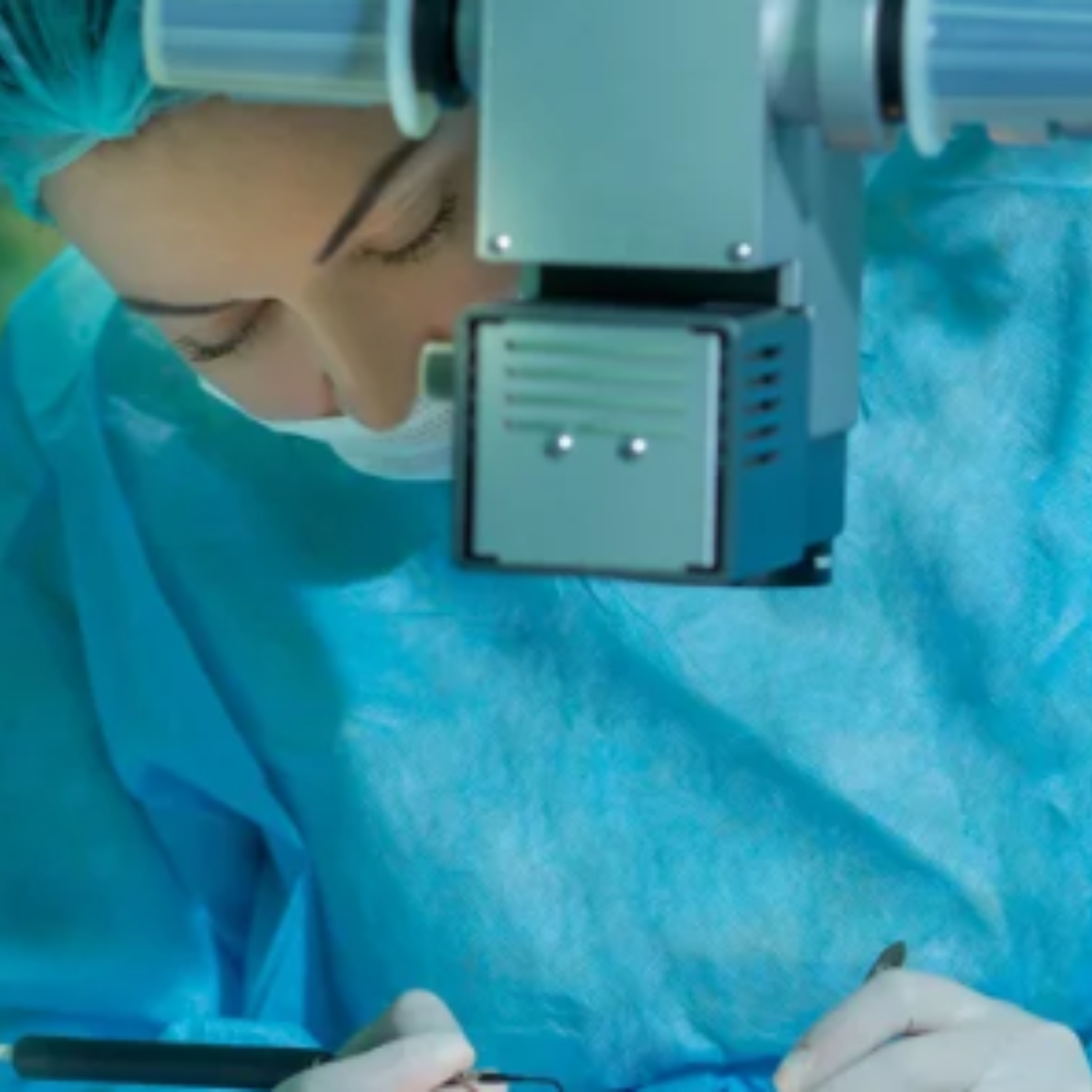
The surgeon makes a tiny incision in the eye to insert microsurgical instruments. Using a suction device, the surgeon will remove the vitreous gel that has detached from the retina. Your surgeon also examine the retina to check for any tears or detachments that may have occurred as a result of the PVD. If any retinal issues are detected, they may be treated during the same procedure.
After the vitreous gel is removed, it is replaced with a saline solution or a gas bubble. This helps maintain the eye’s shape and provides support to the retina during the healing process.
Once complete, the surgeon will close the incision with sutures or let it heal on its own.
Gain insight into cataracts, glaucoma, and retinopathy
with our advanced sight simulator.